

IFAT Munich x SZ — The importance of circularity for the future of Europe

IFAT Munich and the Süddeutsche Zeitung are joining forces to combine ecological innovation, economic responsibility, and security policy relevance. Find out everything you need to know about the collaboration here—and why the circular economy is a must.
Two partners, one topic: “Circularity is a must!”
The long-term partnership between IFAT Munich and Süddeutsche Zeitung revolves entirely around the topic of circularity. As the world's leading trade fair for environmental technologies, IFAT Munich contributes its technical expertise and valuable contacts. As one of Europe's leading media companies, SZ gives this topic the attention it deserves.
As part of the cooperation, several forums highlight the importance of the circular economy from different perspectives — from a security policy, economic, and business perspective. It becomes clear time and again that circularity is fundamental to the future of Europe. In other words: Circularity is a must!
The collaboration includes:
- IFAT Munich's presence at leading SZ events such as the SZ Nachhaltigkeitsgipfel (Sustainability Summit) and the SZ Wirtschaftsgipfel (Economic Summit)
- A joint content hub on sueddeutsche.de
- The “Green Stage” at IFAT Munich 2026, curated by the SZ editorial team
“We are creating space for informed debate”
Through our partnership with SZ, we’re creating space for informed debate and putting the critical issues of tomorrow on the agenda of policymakers, business leaders, and society. This collaboration enables us to reach decision-makers more precisely, from local municipalities to industry and international politics.

- CEO
- Messe München
Recap: SZ Nachhaltigkeitsgipfel (Sustainability Summit) 2026
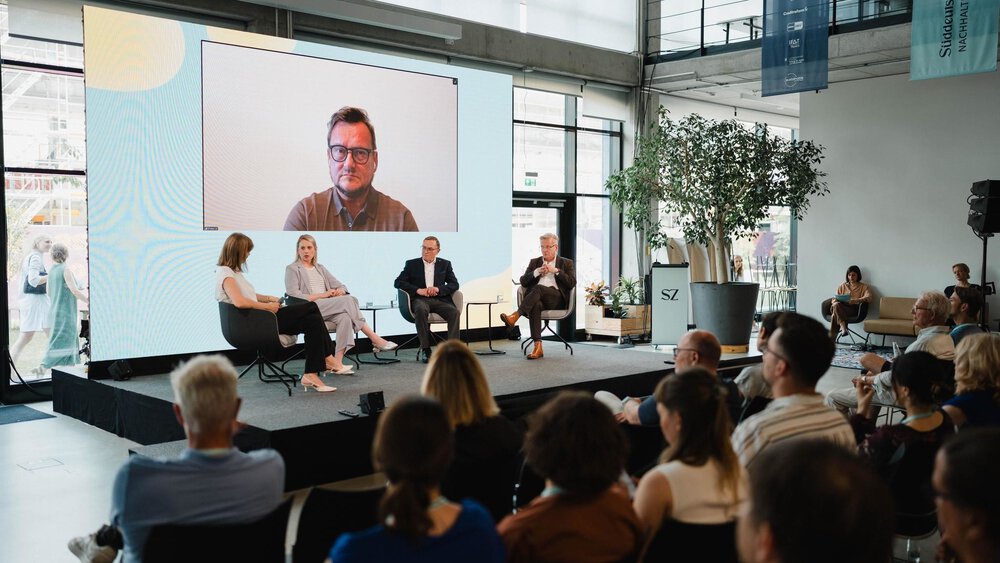
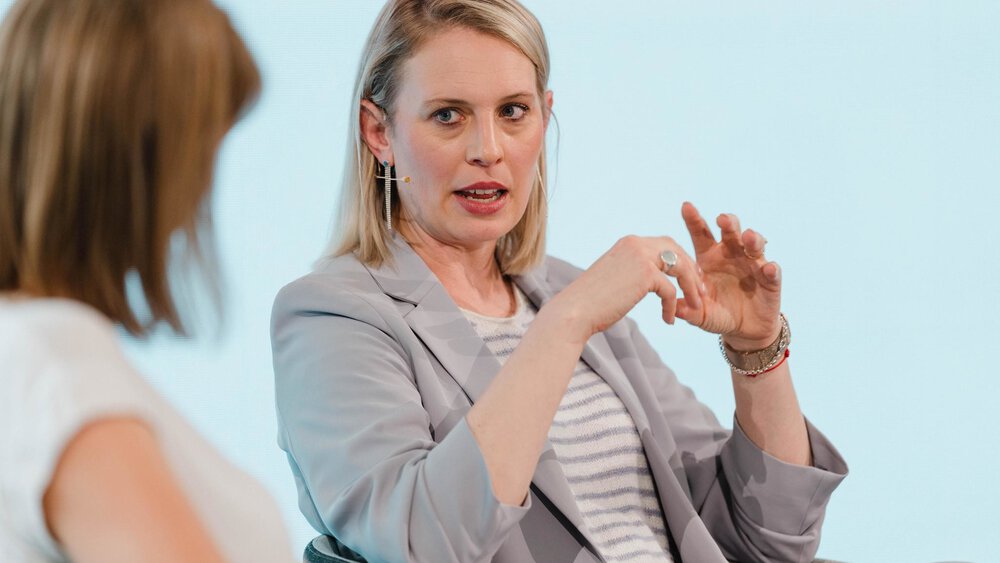
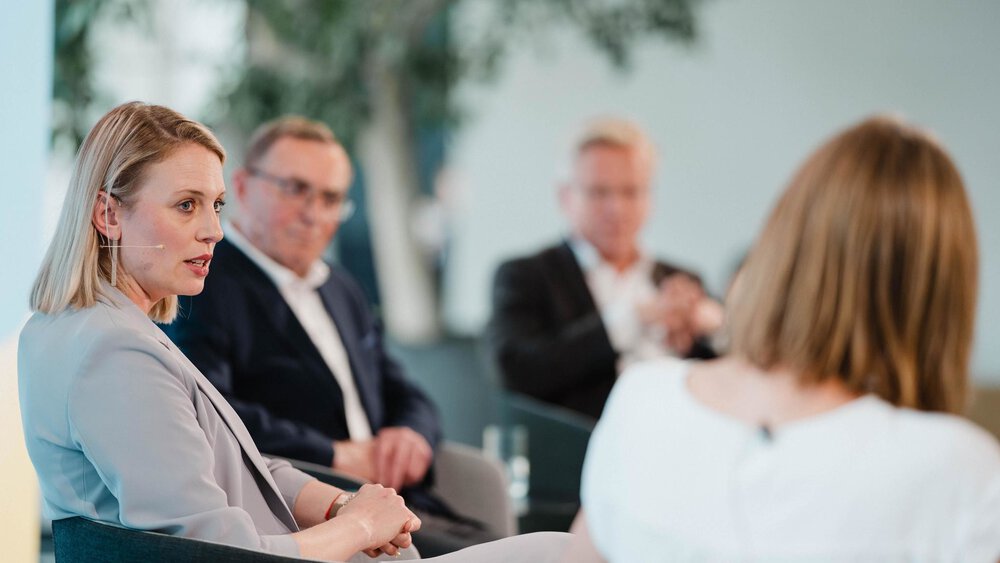
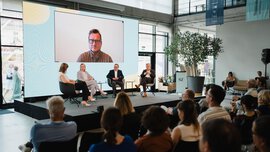
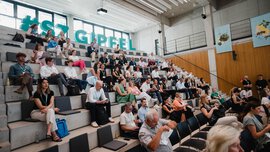
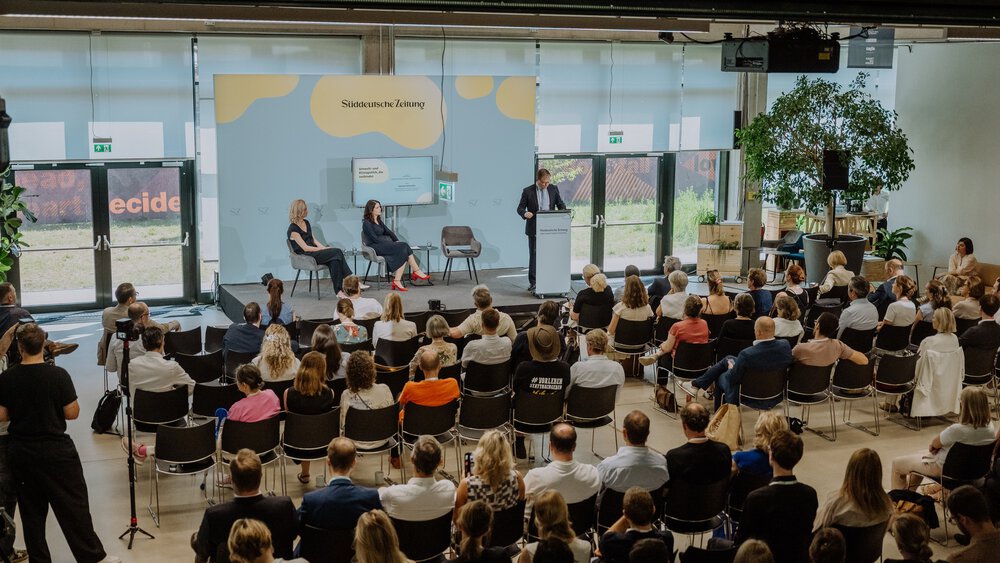
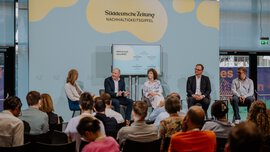
Water resilience and circular economy are increasingly becoming central questions of sustainable transformation. IFAT Munich supported the SZ Nachhaltigkeitsgipfel in Munich and presented the panel “Drinking water: How scarce the resource is becoming in Germany.” Dr. Lisa Irwin-Broß from DWA Deutsche Vereinigung für Wasserwirtschaft, Abwasser und Abfall, Jürgen Reichle from Verband Mineralbrunnen, Rupert Reitberger from Trinkwasserversorger Magnusgruppe and SZ journalist and water expert Uwe Ritzer discussed drinking water scarcity, infrastructure, data and forward-looking water management, supported by IFAT Munich.


The Süddeutsche Zeitung at IFAT Munich 2026
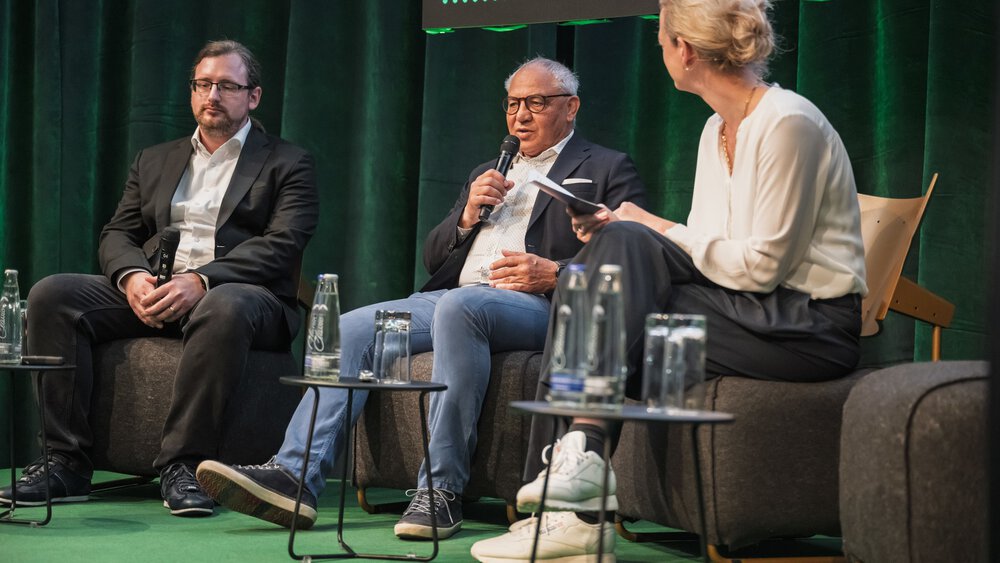
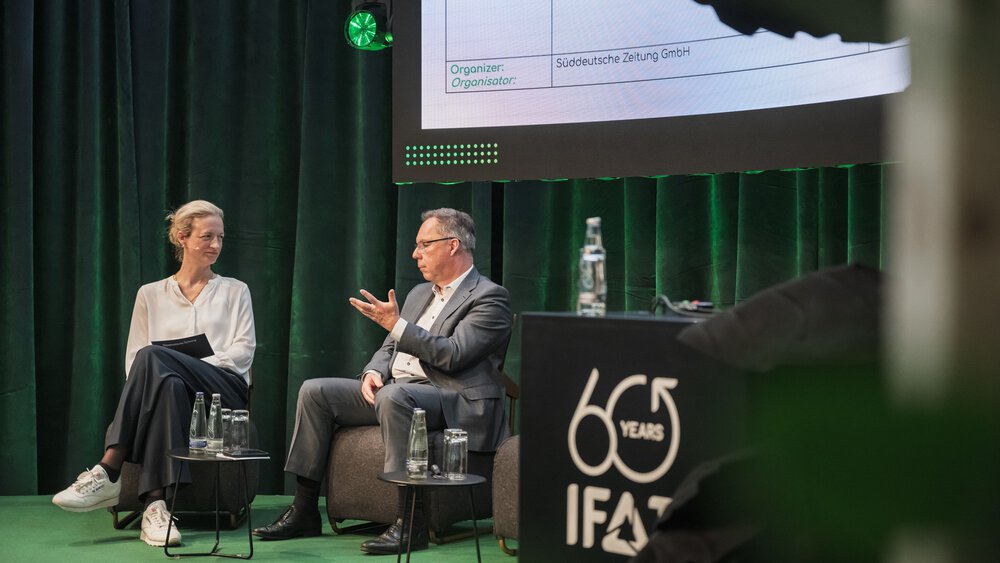
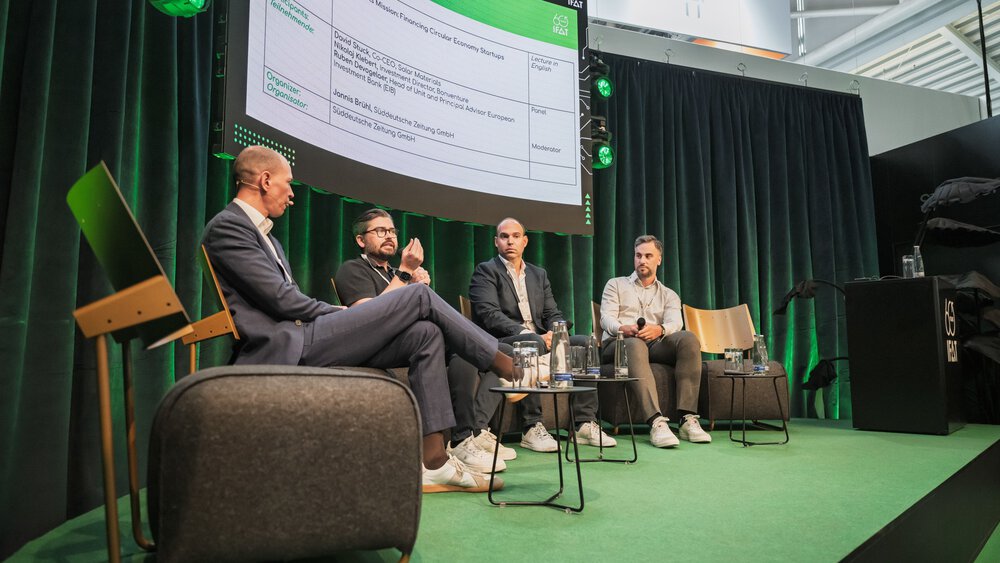
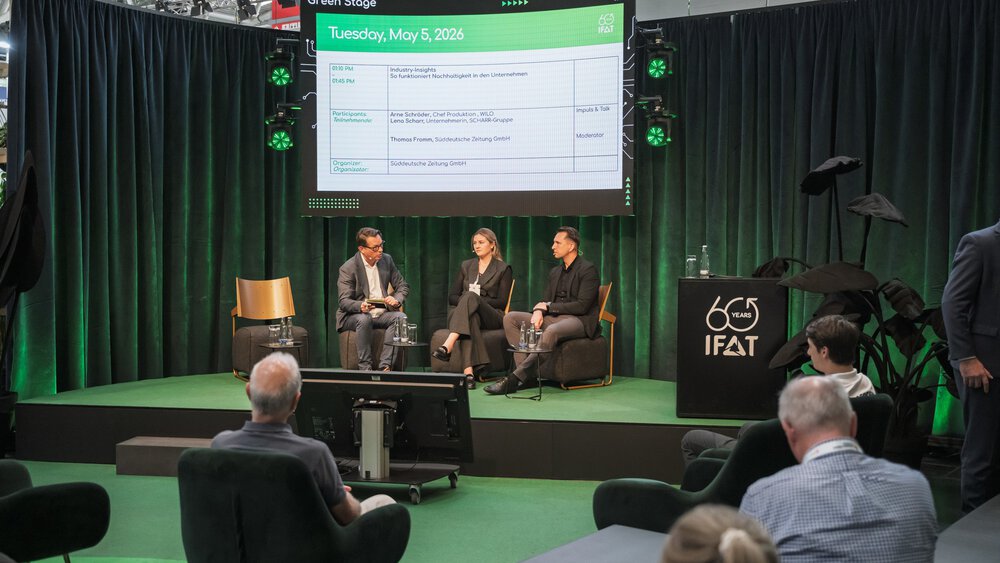
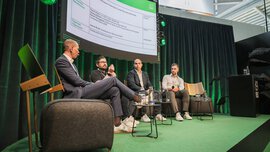
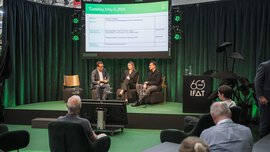
On 5 May, Süddeutsche Zeitung curated the program of the Green Stage at IFAT Munich 2026, bringing together voices from industry, finance, startups, infrastructure, and construction. One highlight was the conversation with former football coach Felix Magath and Pascal Klein, CEO of Pyrum Innovations AG, a company Magath has invested in. Their discussion showed what football and circular economy have in common: development takes time, resilience and the belief that potential can be translated into performance.
In further sessions, Holger Lösch (BDI), Dr. Andreas Beyer (European Central Bank), Merlin Reingruber (Mayerhofer Elektronik GmbH), Nikolaj Klebert (Bonventure), David Stuck (Solar Materials), Ruben Devogelaer (European Investment Bank), Lena Scharr (Scharr Group), Arne Schröder (Wilo Group), Jan-Marten Krebs (Sustainable AG Management Consulting) and Christian Sadleder (STRABAG) discussed how circular economy can move from strategy to implementation. Topics ranged from industrial transformation and sustainable finance to startup funding, logistics, supply chains and circular construction.
The SZ programme made clear that circular economy is no longer just about waste management and recycling. It is becoming a strategic lever for competitiveness, raw material security and scalable innovation.
Circularity — A future topic with three dimensions

Security perspective
Resource sovereignty as a strategic necessity

Macroeconomic
Cycles as a driver of growth
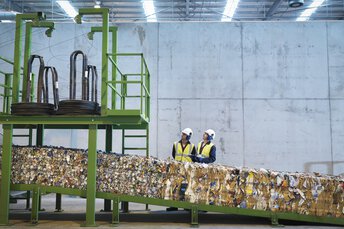
Corporate perspective
Efficiency and resilience as a competitive advantage
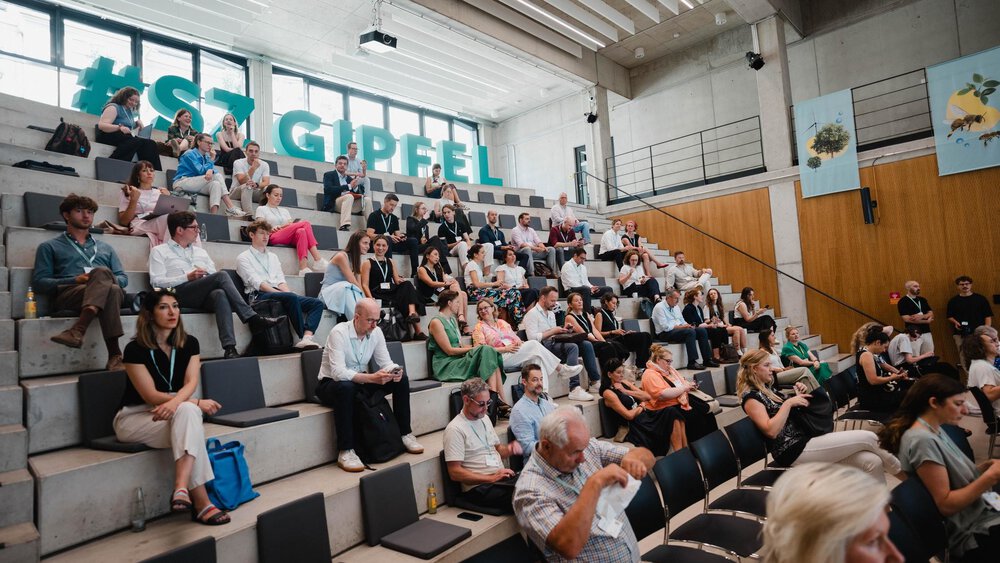
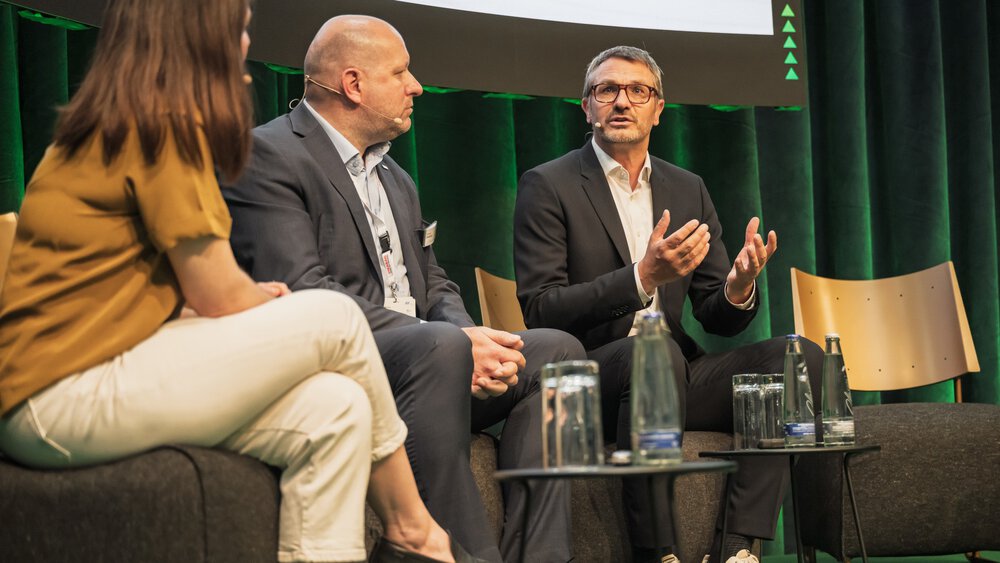
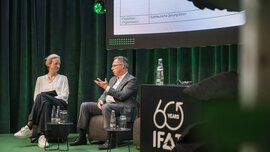
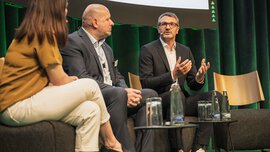
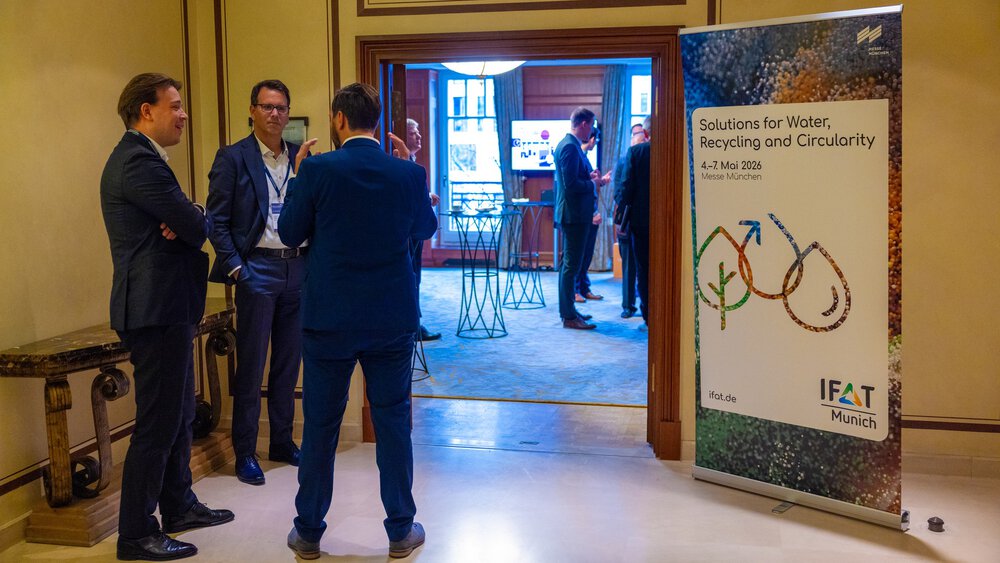
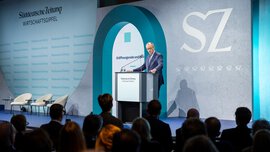
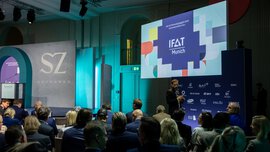
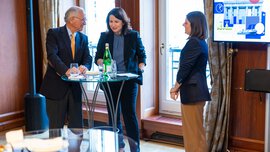
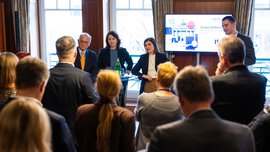
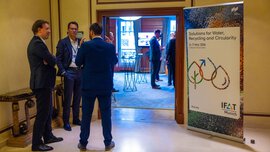
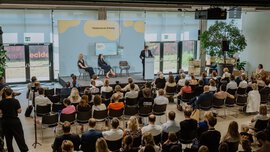
Impressions from the SZ Nachhaltigkeitsgipfel 2025 (Sustainability Summit) and SZ Wirtschaftsgipfel (Economic Summit)
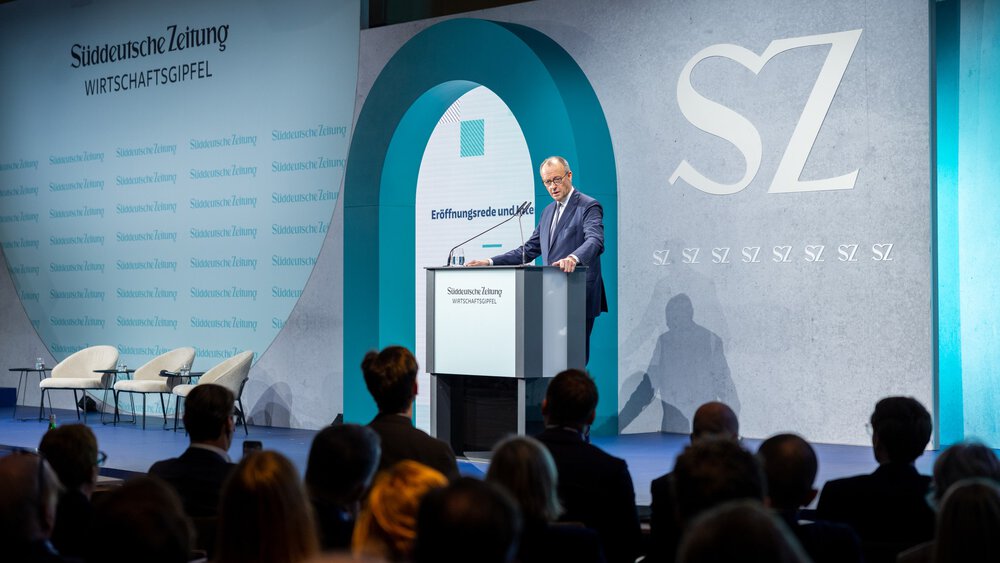
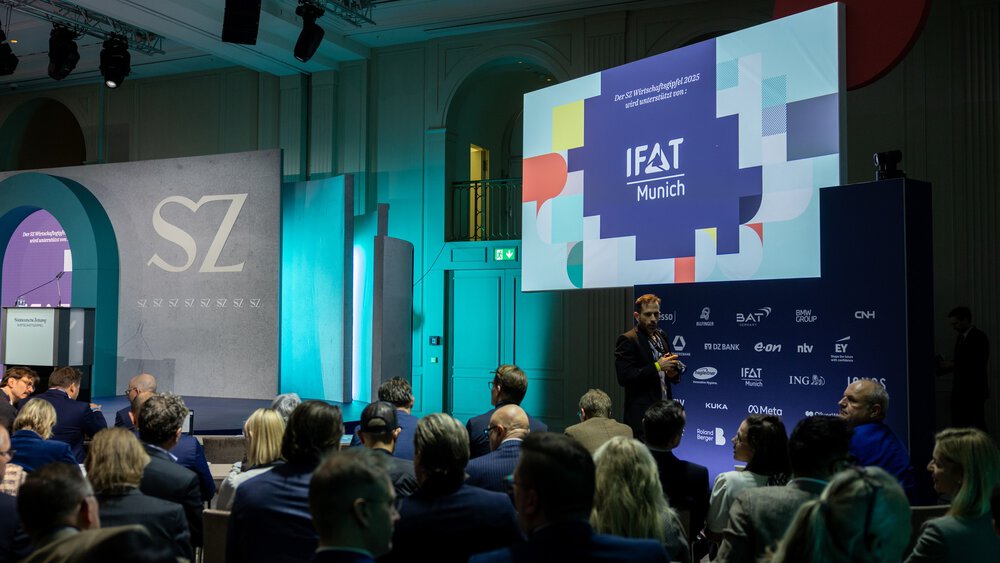
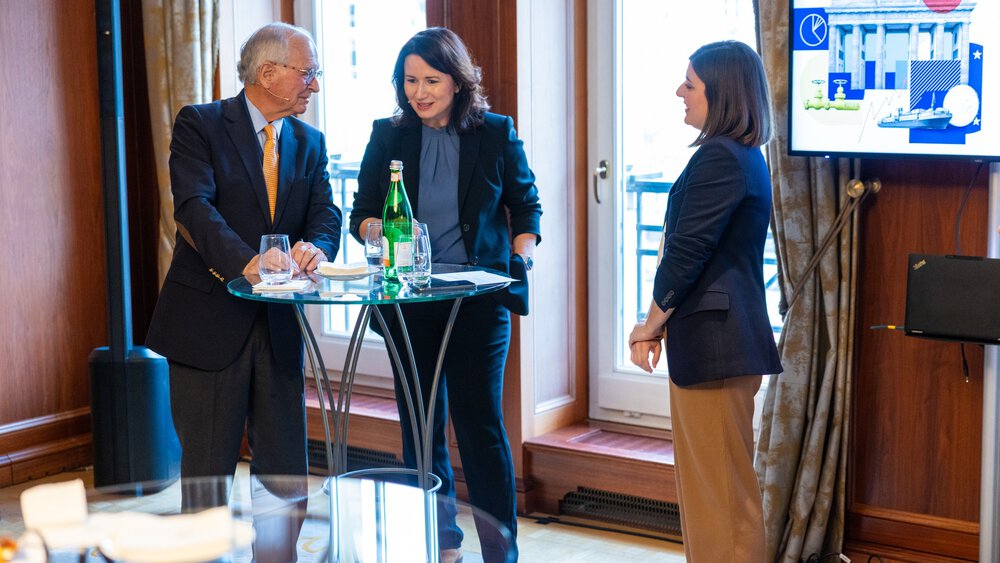
Recap: SZ Wirtschaftsgipfel (Economic Summit) 2025
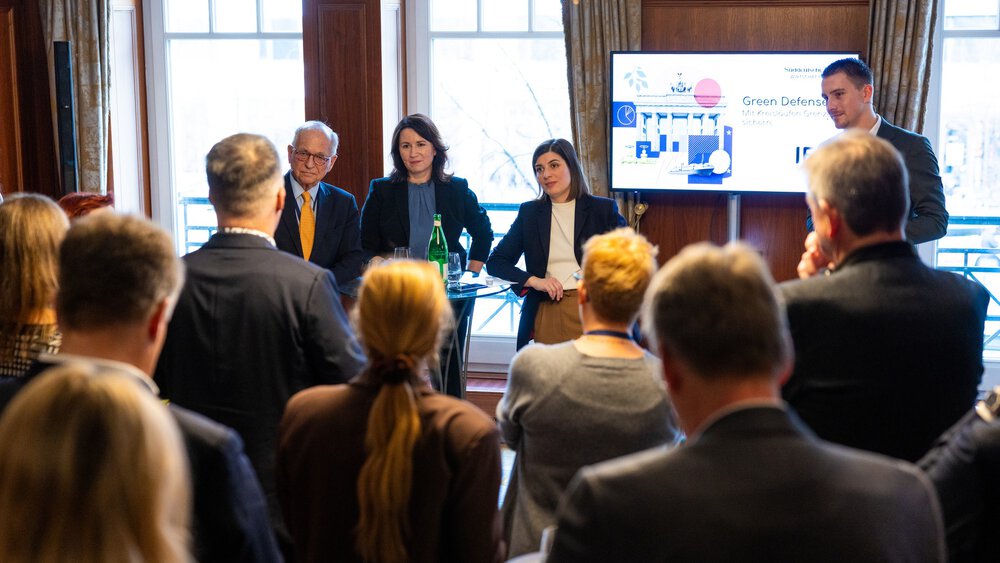
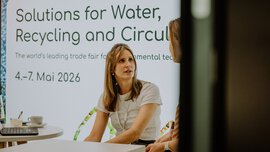
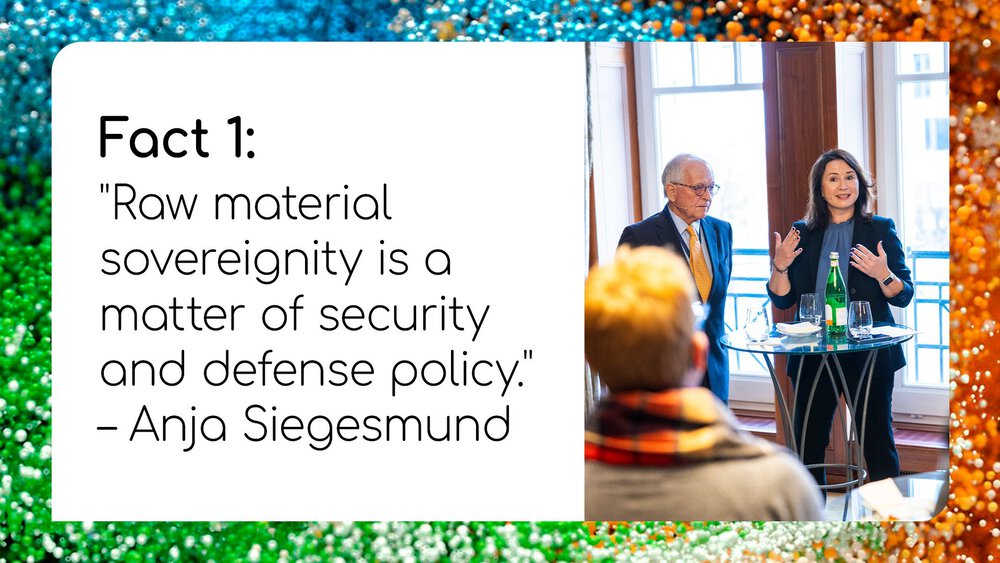
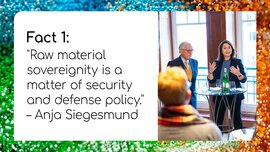
At the SZ Wirtschaftsgipfel (Economic Summit), IFAT Munich brought the perspective of the circular economy into the debate on resilience, competitiveness, and strategic security. The lunch session with Anja Siegesmund and Wolfgang Ischinger focused on the question of how the circular economy contributes beyond ecological aspects to reducing dependencies and securing economic capacity to act, thus highlighting the security and industrial policy dimensions of raw material cycles.
In discussions with leading representatives from politics, industry, and civil society, it became clear that circular solutions are increasingly seen as an important lever for reducing dependencies, strengthening Europe's capacity to act, and securing its long-term competitiveness. The insights gained form a solid basis for continuing this cross-sector dialogue and further discussions at IFAT Munich 2026.
Watch the video: Exhibition Director Philipp Eisenmann about the SZ Wirtschaftsgipfel (Economic Summit)
5 Facts on Green Defense
Ensuring the security of raw materials is about more than just the economy. In times of geopolitical tensions and fragile supply chains, the circular economy is becoming an increasingly important focus of security and industrial policy. At the SZ Economic Summit, our lunch session with Anja Siegesmund and Wolfgang Ischinger demonstrated why circular systems are becoming a central building block of resilience, competitiveness, and strategic capacity to act.
Read 5 facts to learn more about the role of the circular economy as the key to green defense.




Study by IFAT Munich: What the Germans think about circularity
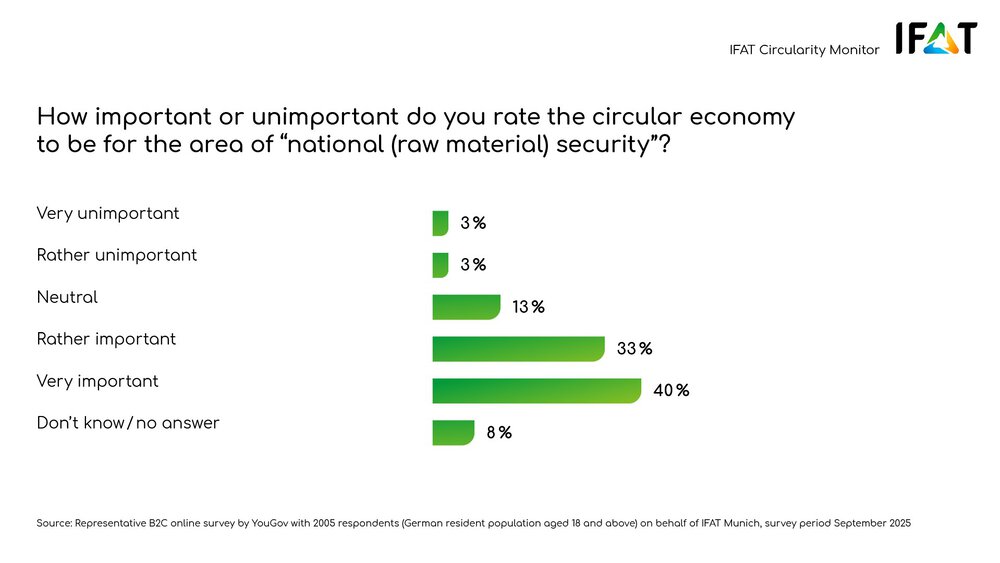
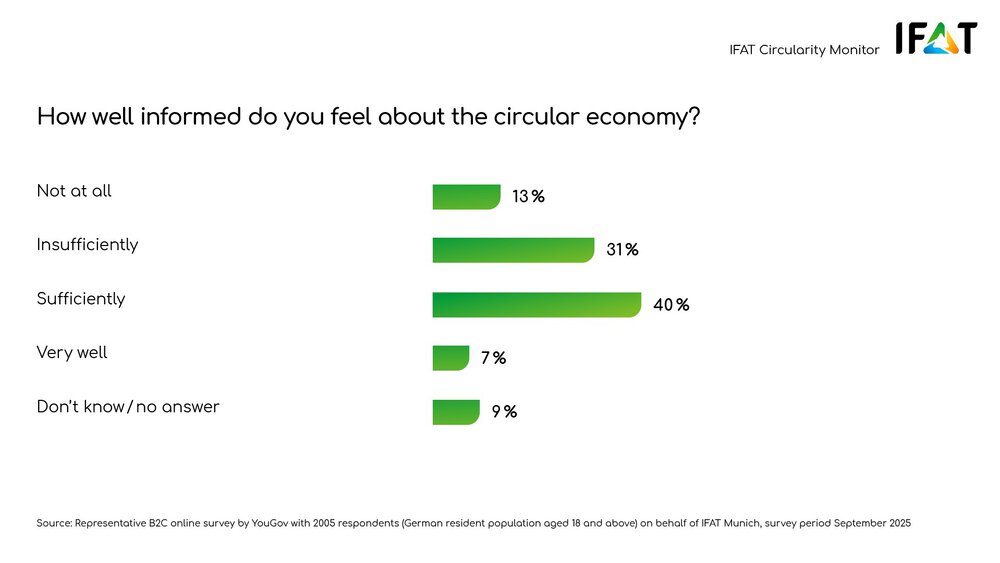
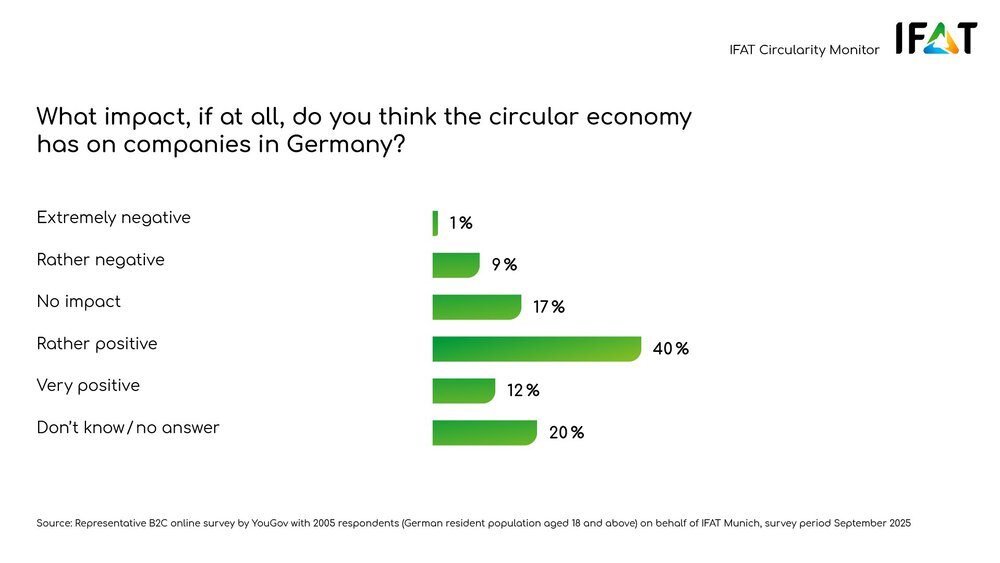
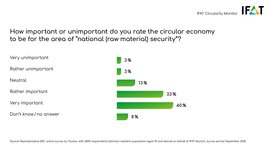
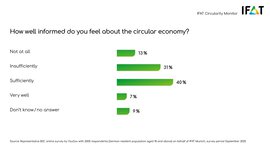
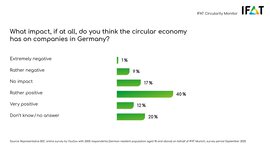
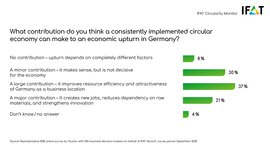
For Germans, Germany's raw material security begins at the recycling center—as shown by the IFAT Circularity Monitor, a representative YouGov survey commissioned by IFAT Munich. 73% of Germans consider the circular economy to be important in terms of national (raw material) security, and more than half see it as a catalyst for new economic growth. At the same time, 83% say they still feel poorly or only adequately informed about this topic.
See the detailed results of the study here.

Study by IFAT Munich: Germans see water and wastewater tetworks at risk
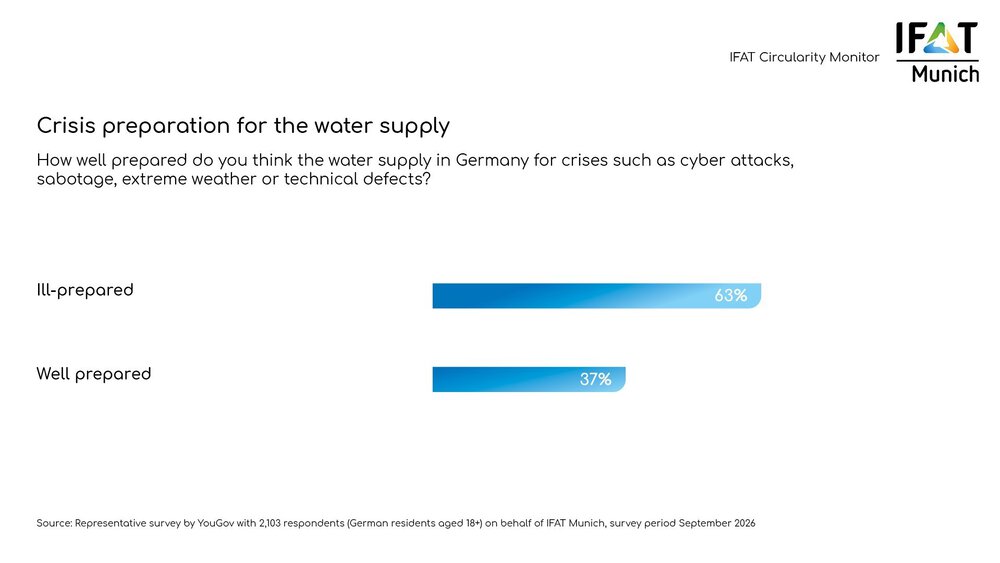
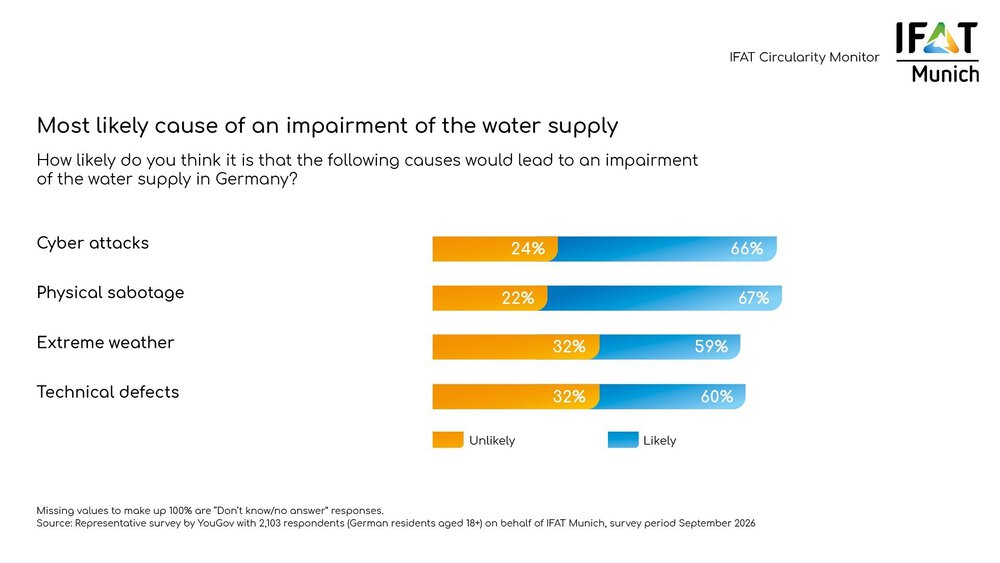
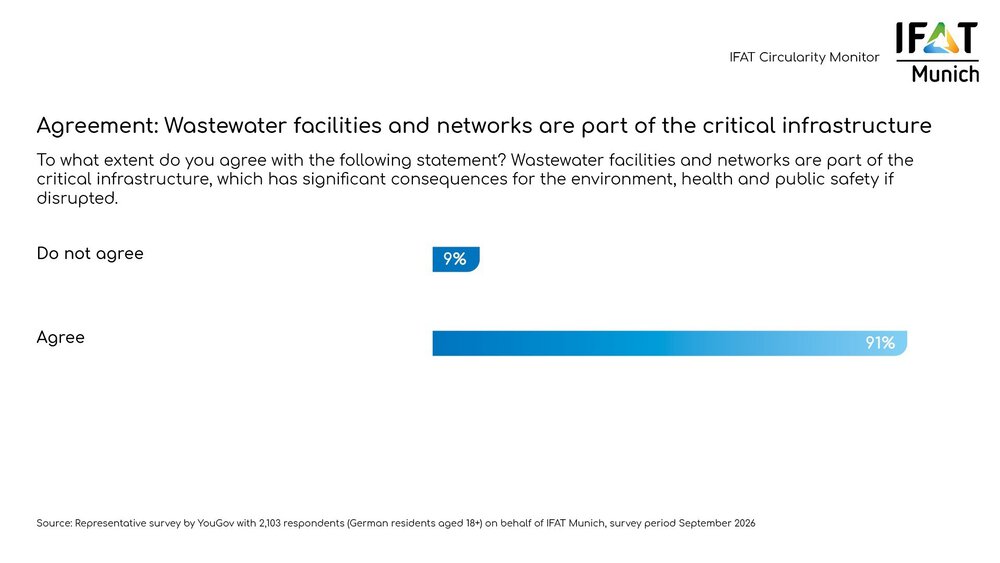
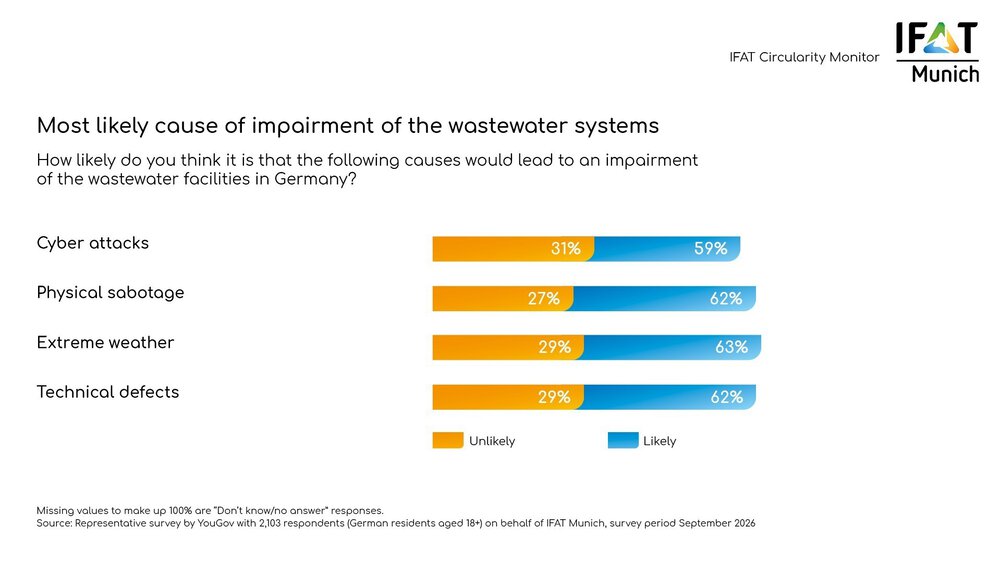
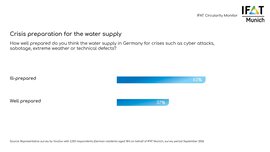
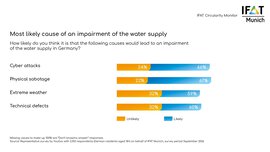
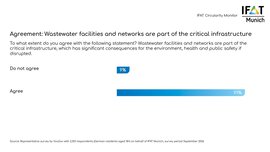
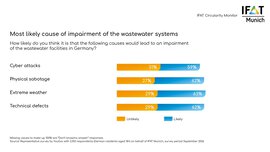
The security of water and wastewater systems has long been more than just a technical issue for many Germans, as shown by the IFAT Circularity Monitor's second study. Sixty-three percent believe that Germany is poorly prepared for water supply crises. They are particularly concerned about sabotage (67%) and cyberattacks (66%). Additionally, 91% view disruptions to wastewater disposal as a significant environmental, health, and public safety threat.
These results highlight the growing perception of water infrastructure as a security policy factor, bringing it to the forefront of discussions on resilience and green defense.
You can view the study's results in detail here.
Recap: SZ Dossier Roundtable
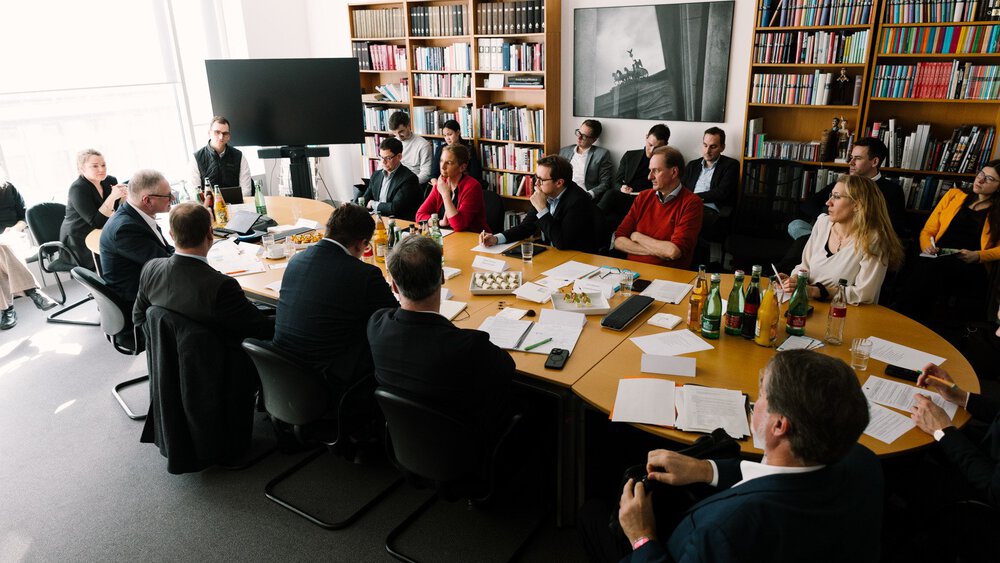
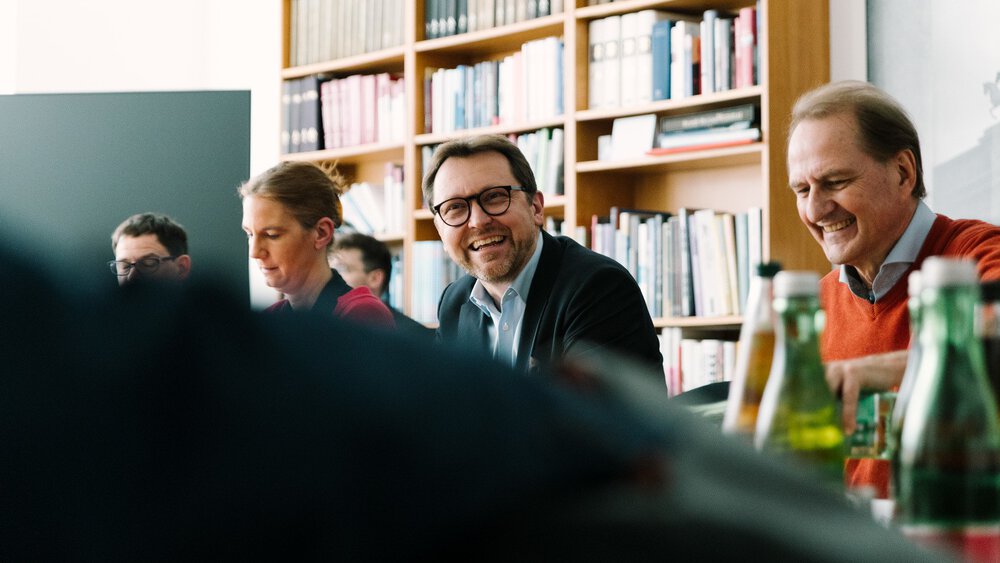
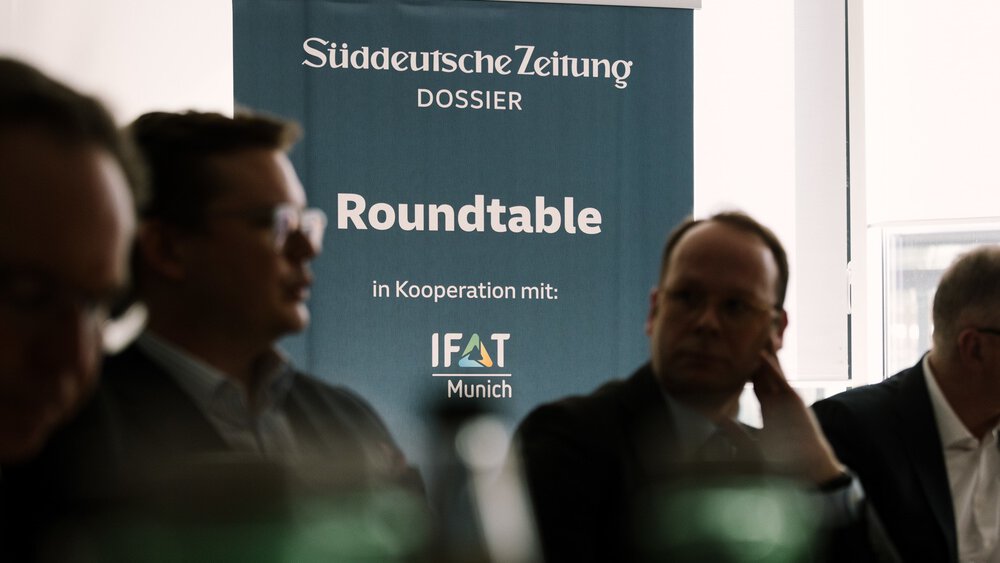
Due to geopolitical tensions and fragile supply chains, strategic raw materials are increasingly becoming a focus of security, industrial, and raw materials policy. At the SZ Dossier Roundtable in Berlin, representatives from politics, industry, and trade association, including Stefan Rummel, CEO of Messe München, and Philipp Eisenmann, Exhibition Director of IFAT Munich, discussed the role of the circular economy in securing raw materials and ensuring industrial sovereignty with the support of IFAT Munich.


Interviews, analyses, and videos: Find fascinating background information on circularity at Süddeutsche Zeitung
At sueddeutsche.de, you will find high-quality journalistic articles on circularity. Starting in January 2026, the SZ editorial team will highlight key IFAT Munich topics in a series of articles featuring prominent experts, covering everything from the circular economy to geopolitical issues of resource security.
Overview of articles (this list will be updated with new publications)
“Germany's security begins at the recycling center”
A new study shows how the circular economy is linked to Germany's raw material security, and where there is still a need for education. 73% of Germans recognize its importance, but 83% feel poorly informed. Learn more about the security policy relevance of circularity.
"Germans also see water and wastewater networks as vulnerable."
Over 60 percent of Germans believe that water infrastructure is vulnerable to sabotage, cyberattacks, and extreme weather. A study by IFAT Munich illustrates how the concept of security is evolving and explains why water has become a strategic issue rather than merely a technical one.
"We must finally invest more in the circular economy."
Europe has technological potential but lacks a political framework. In an interview with the Süddeutsche Zeitung, ING Chief Economist Carsten Brzeski explains why the circular economy must become a key economic and security policy strategy and which three levers are now crucial.
Ischinger: “The best remedy is the most complete circular economy possible.”
Geopolitical crises, fragile supply chains and rising raw material prices are exposing Europe’s vulnerabilities. In an interview with the Süddeutsche Zeitung, Wolfgang Ischinger explains why circular economy is far more than environmental policy, and why it is becoming a decisive factor for resilience, resource security and strategic sovereignty.
Recap: SZ Nachhaltigkeitsgipfel 2025 (Sustainability Summit)
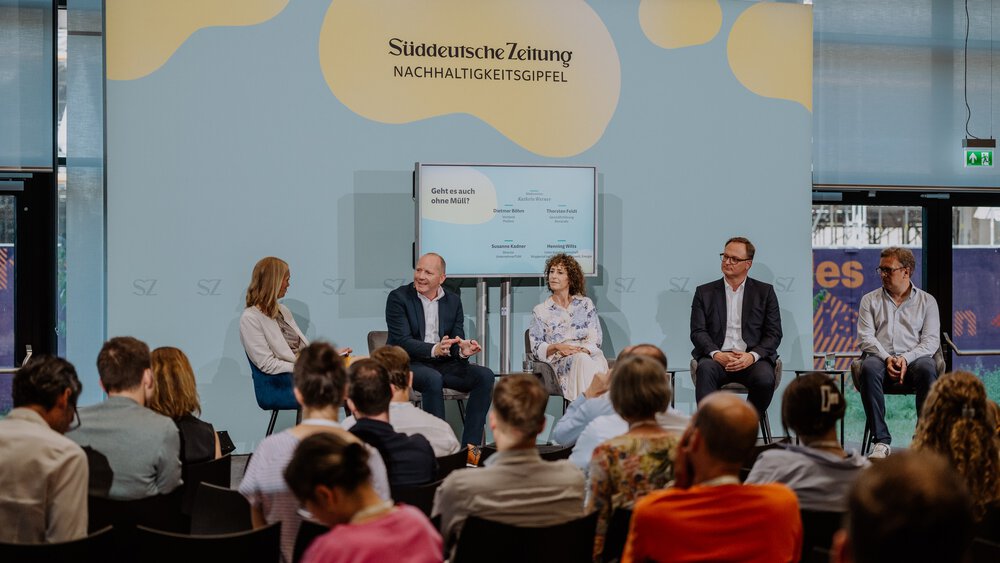
The SZ Nachhaltigkeitsgipfel 2025 (Sustainability Summit) provided a platform to discuss IFAT Munich's perspective on the circular economy and climate protection. The session "Is it Possible Without Waste?" featured Dietmar Böhm (PreZero International), Susanne Kadner (CIRCULAR REPUBLIC), Thorsten Feldt (REMONDIS Group), and Henning Wilts (Wuppertal Institute for Climate, Environment, and Energy). The session focused on the possibility of a world without waste and the conditions necessary to achieve it.
"Waste is often just a resource in the wrong place at the wrong time," said Henning Wilts of the Wuppertal Institute for Climate, Environment, and Energy. The discussion revealed that design decisions determine recyclability, startups drive innovation, and public procurement is a critical tool. For a market breakthrough, recycled materials must become competitive.
Stay up to date on circularity
Every two weeks, the IFAT Munich LinkedIn newsletter explores key topics and events around the circular economy. Don't miss any updates and get the most important insights!