

Students at IFAT Munich: My personal AI favorite

Which AI applications are capturing the imagination of the next generation of environmental technology professionals? Students from the Cologne University of Applied Sciences went on a discovery tour at IFAT Munich and present their most exciting real-world examples from the fields of water management, recycling, and the circular economy.
Many universities and colleges organize field trips to IFAT Munich to give students insights into the latest technologies in water, recycling, and the circular economy. The Cologne University of Applied Sciences (TH), for example, was at this year’s trade fair, held from May 4 to 7, with a group of over 60 students.
The assignment from their lecturers: Find out how companies in the environmental technology sector are using artificial intelligence (AI). Here, two students share their favorites from their research at the exhibition stands.
AI supports waste and recycling management
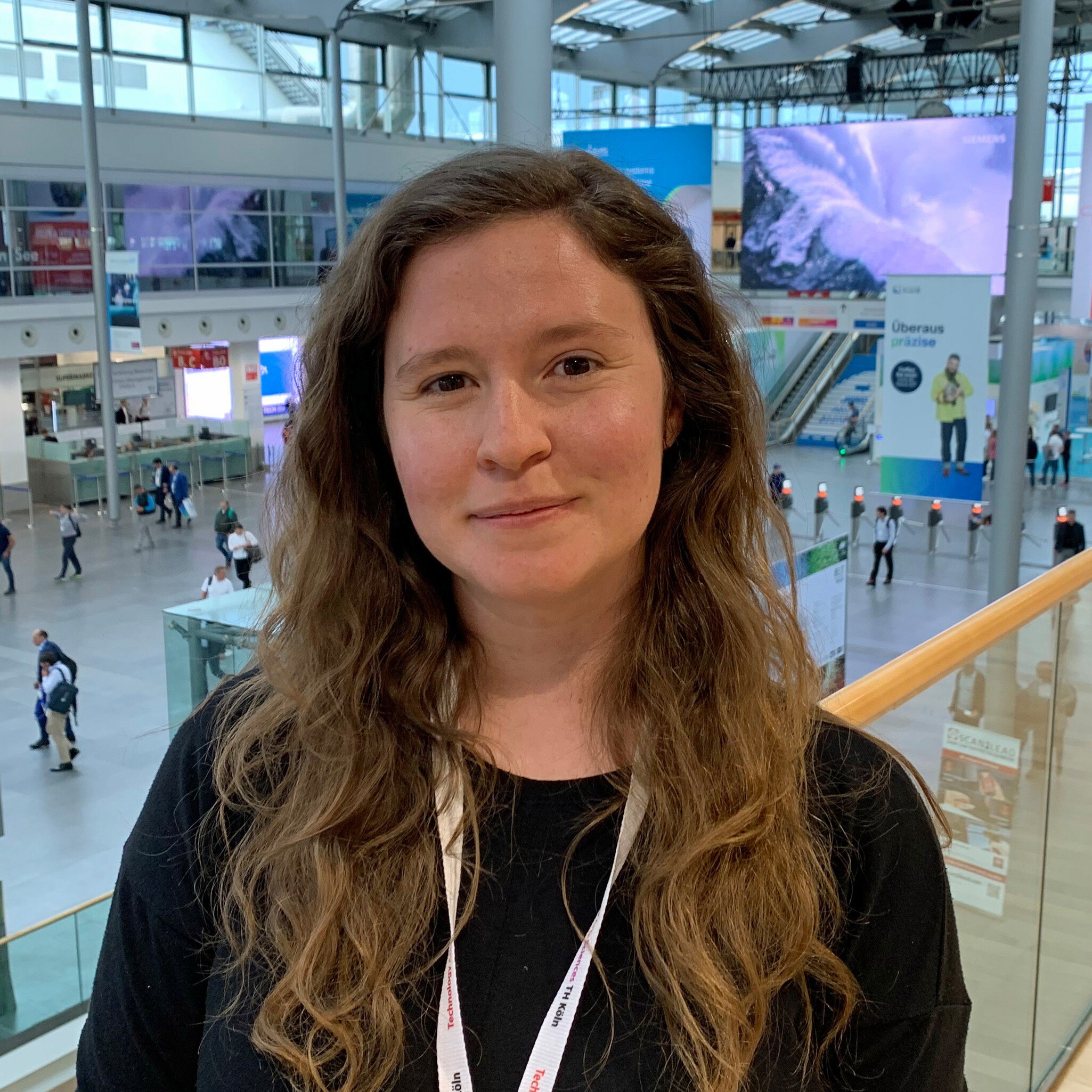
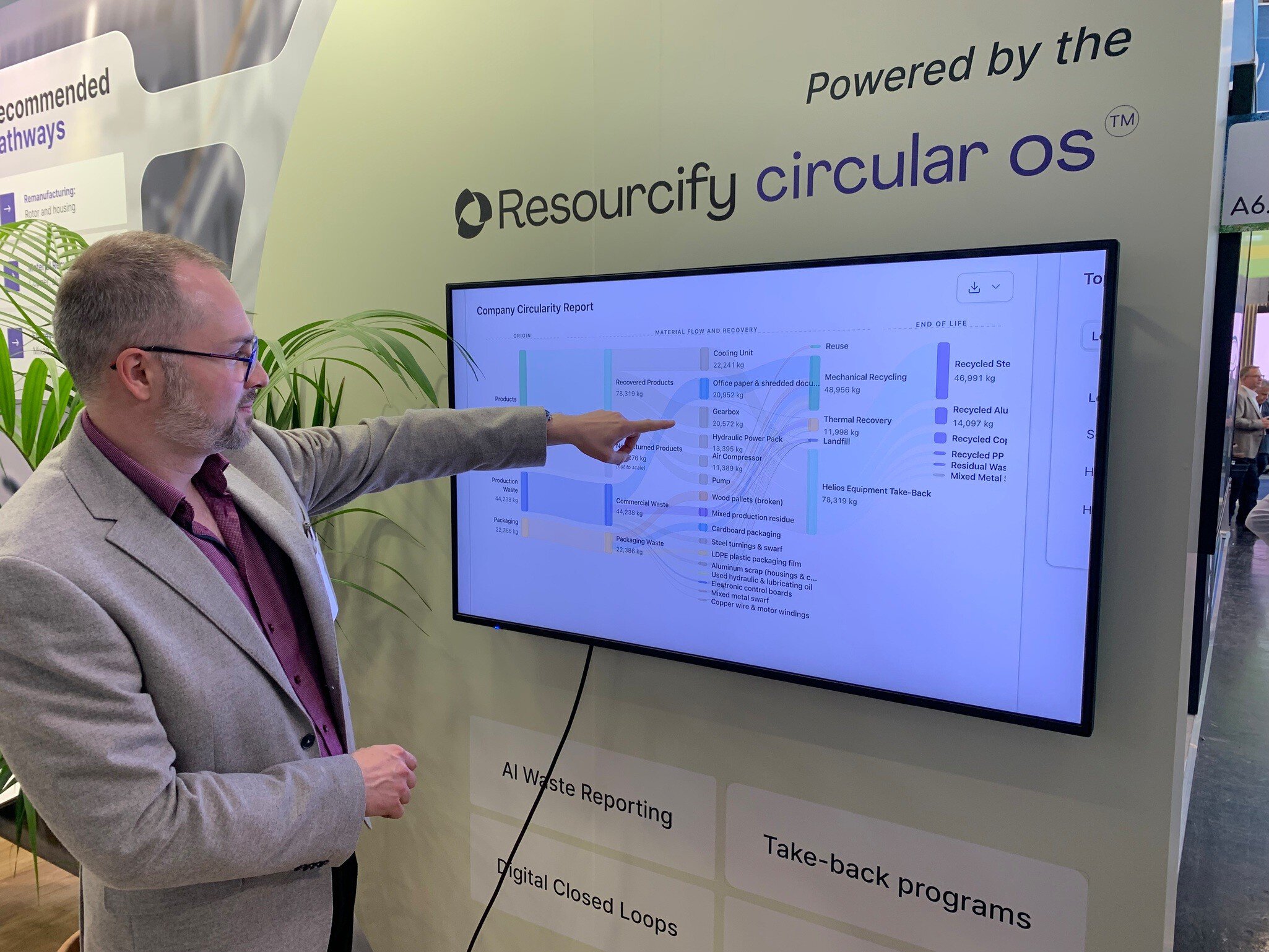
Cassie Tragert is particularly inspired by the Hamburg-based startup Resourcify. “It offers companies a digital platform for data-driven, automated waste and recycling management,” explains the student, who is originally from the U.S. AI helps, for example, with classifying data, recognizing patterns, making forecasts, and identifying suitable recycling partners.
“Simply put, the platform gives users an overview of their waste streams and highlights ways to generate less waste and recycle more of it,” explains Tragert. Resourcify’s clients include the fast-food chain McDonald’s, the home improvement and garden center operators Obi and Hornbach, and the grocery retailer Rewe.
AI interprets images from the channel
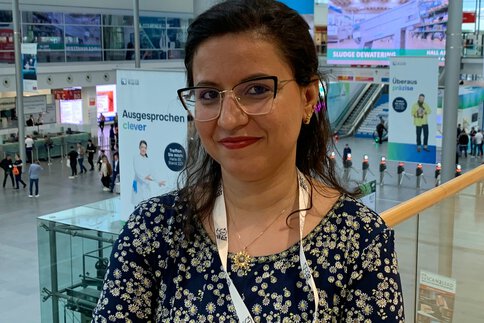
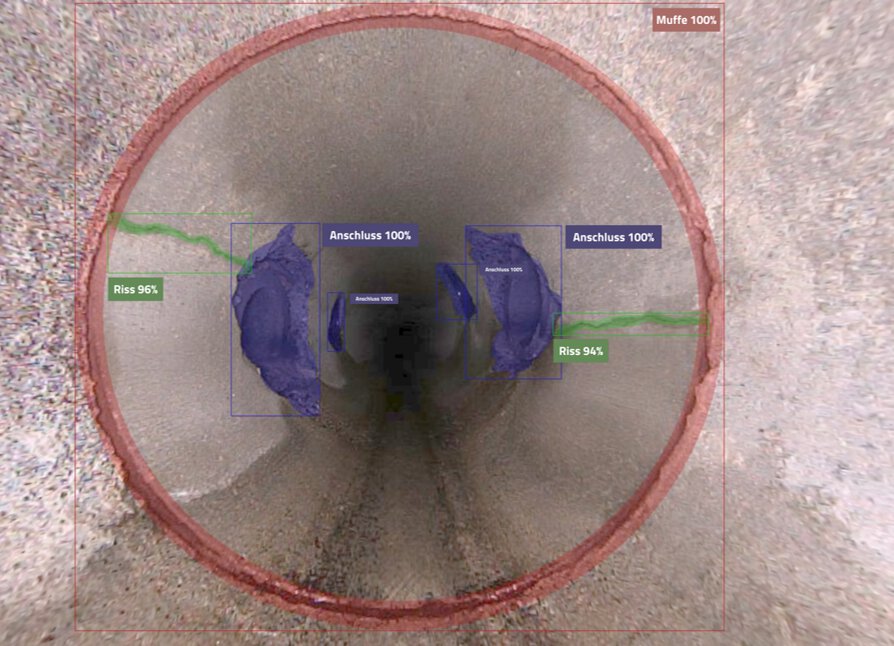
Boutaina Abbazi names two favorites. One of them is the Artificial Intelligence Software Tool (ArtIST) from the provider IBAK. The Kiel-based company develops and manufactures solutions for sewer inspection and rehabilitation for use worldwide. The company is working on several AI projects with its own development department. One of these is the cloud-based analysis assistant ArtIST. It automatically captures condition data from sewer inspection recordings and provides it as a database for inspection reports.
“I’m impressed by how easy the tool is for end users to operate,” emphasizes the Moroccan student.
AI enables flow measurement using a camera
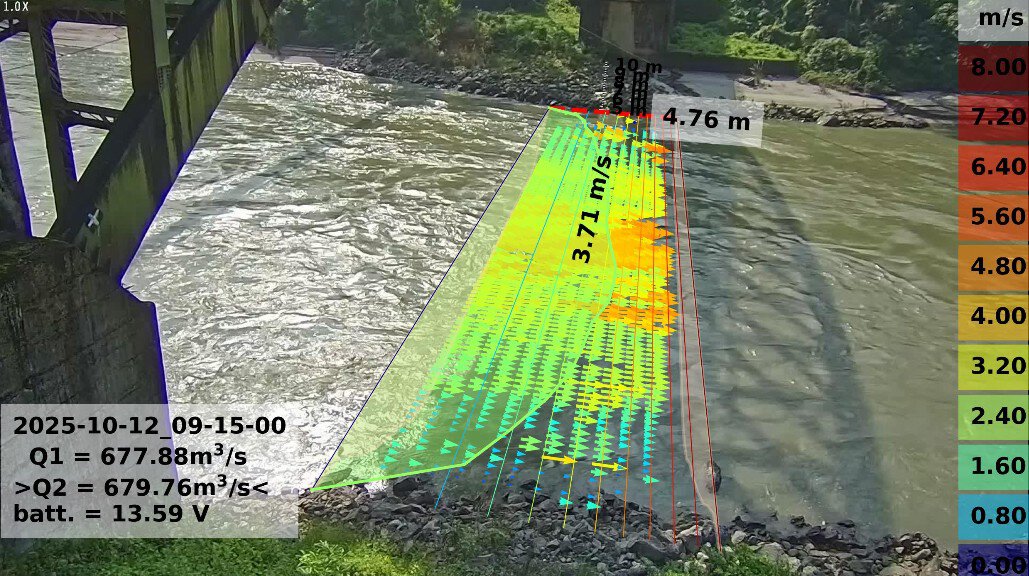
Another solution that Abbagi finds particularly smart is the DischargeKeeper from SEBA Hydrometrie in Kaufbeuren. It’s a stationary, camera-based system with a self-learning algorithm for contactless flow measurement in rivers, streams, and canals.
An optical method for flow velocity detection based on the natural structure of the water surface is used to measure the surface velocity profile. Water level detection is also carried out via image processing. The vertical velocity profile is calculated according to ISO Standard 748. Integrating the velocity across the width yields the flow rate. In addition to the digitized measured values, current proof images are stored on the user’s FTP server and can also be uploaded to the SEBA server.
“I like that the system enables accurate discharge and water level measurements relatively easily—without using sensors,” comments Boutaina Abbazi.
IFAT Munich offers our students a unique opportunity to learn about all these solutions and the companies behind them in one place.
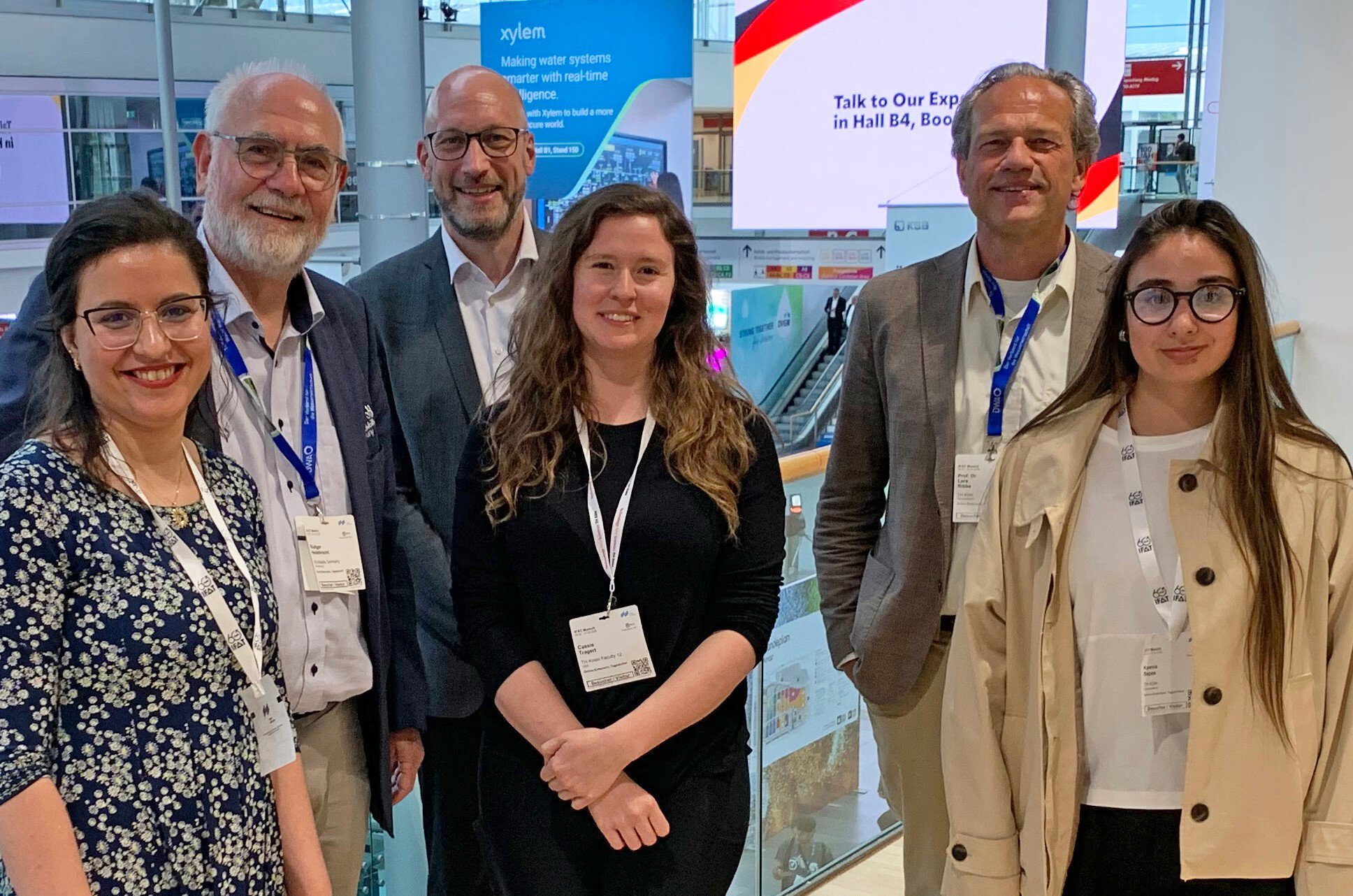
“Just these few examples are already an excellent demonstration of how diverse AI applications are in the environmental technology sector—ranging from measurement and monitoring to modeling, and both operational and strategic solutions,” says Lars Ribbe. As a professor for integrated land and water resources management and former founding Dean of the Faculty of Spatial Development and Infrastructure Systems at Cologne University of Applied Sciences, he was one of the team accompanying the students.
The expert in water science and management adds: “IFAT Munich offers our students a unique opportunity to get to know all these solutions and the companies behind them in one place.” “We faculty members never stop learning either, especially in the field of AI, which is currently so interesting to us. IFAT Munich gives us the chance to quickly establish contacts with a wide range of companies at the forefront of development within just one week.”