Systems and Processes for Water Supply



The challenges are complex, the answers diverse: IFAT Munich is the leading platform for solutions in environmental technology. Here you will find everything you need to shape a sustainable future.

From resilient water infrastructure and secure raw material supplies to efficient material cycles, IFAT Munich brings together solutions from multiple providers to address the specific challenges facing industries and municipalities. Combining technologies and processes across the entire value chain creates new opportunities to use resources more efficiently and unlock economic potential.
Discover the ten key topics here and find out which exhibitors, technologies, formats, and developments at IFAT Munich 2028 are relevant to your challenges.
Systems and Processes for Water Supply
The Future of Wastewater Treatment
Water Infrastructure Management
Resilience and Climate Adaptation in Water Management
Resource Efficiency
Materials Recovery and Recycling
Logistics and Waste Collection
Hydrogen in the Circular Economy
Energy Recovery
Road Operations and Maintenance
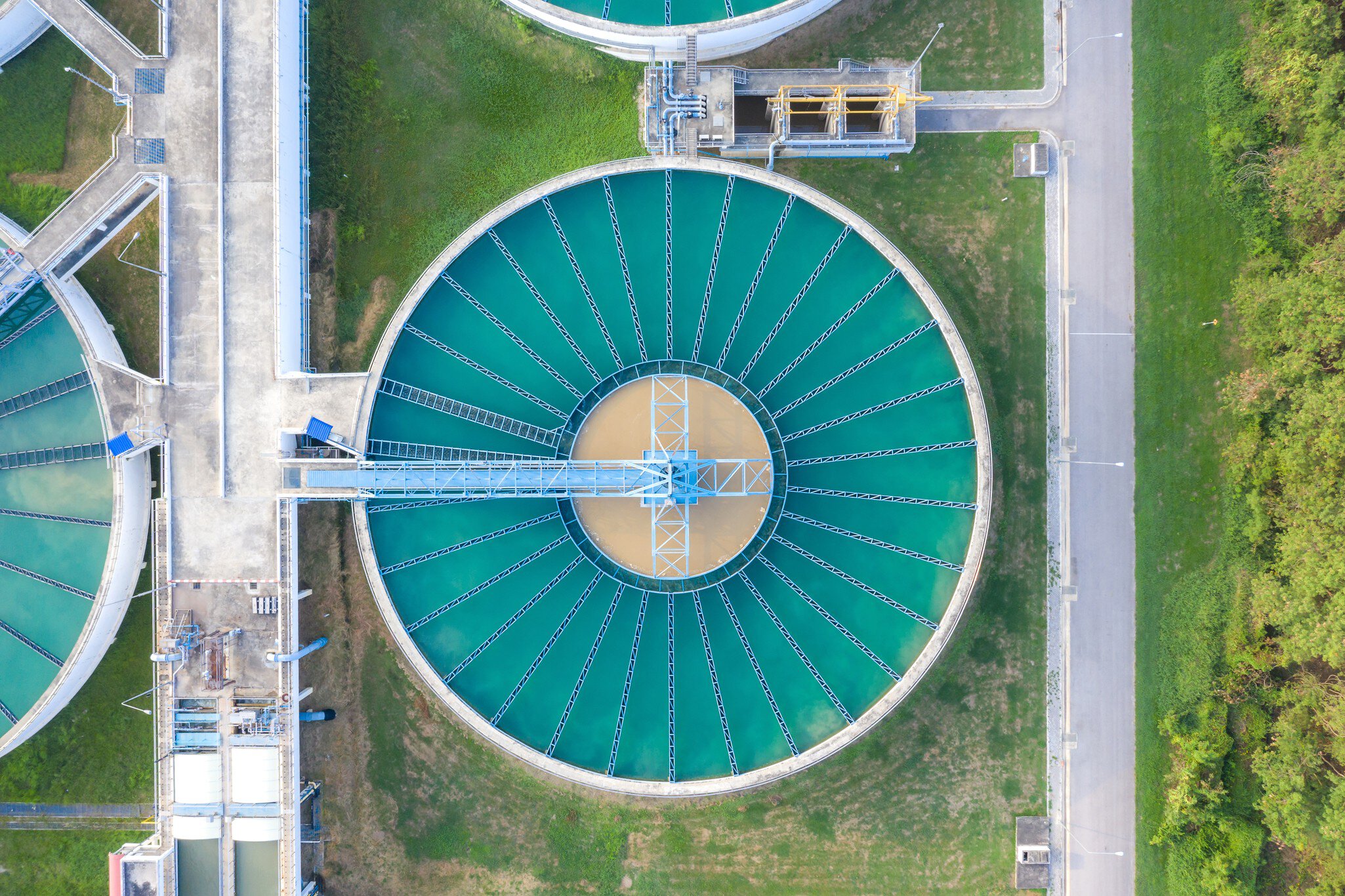
Modern facilities and processes ensure a reliable supply of drinking and process water—from secure access and improved water quality to leak-tight water networks, efficient energy use, and digitalized operations.
Key aspects:
Wastewater as a resource: Leak-tight networks, efficient treatment, and sewage sludge recovery enable water reuse, resource recovery, and digitally controlled wastewater management.
Key aspects:
Looking for exhibitors across different industries? Use the search and filter options in our exhibitor directory to find the right providers for your needs.
From planning and operation to maintenance, the management of modern water and wastewater infrastructure for municipalities and industry combines supply security, energy efficiency, and integrated water management. Digital technologies such as automated control, smart metering, and digital twins enable efficient and proactive operations.
Key Aspects:
Climate change, urbanization, and extreme weather events are calling for new solutions in water management. From flood protection and stormwater management to water-sensitive urban design, modern concepts such as sponge cities, digital early warning systems, and smart infrastructure strengthen resilience and help safeguard water supplies.
Key Aspects:
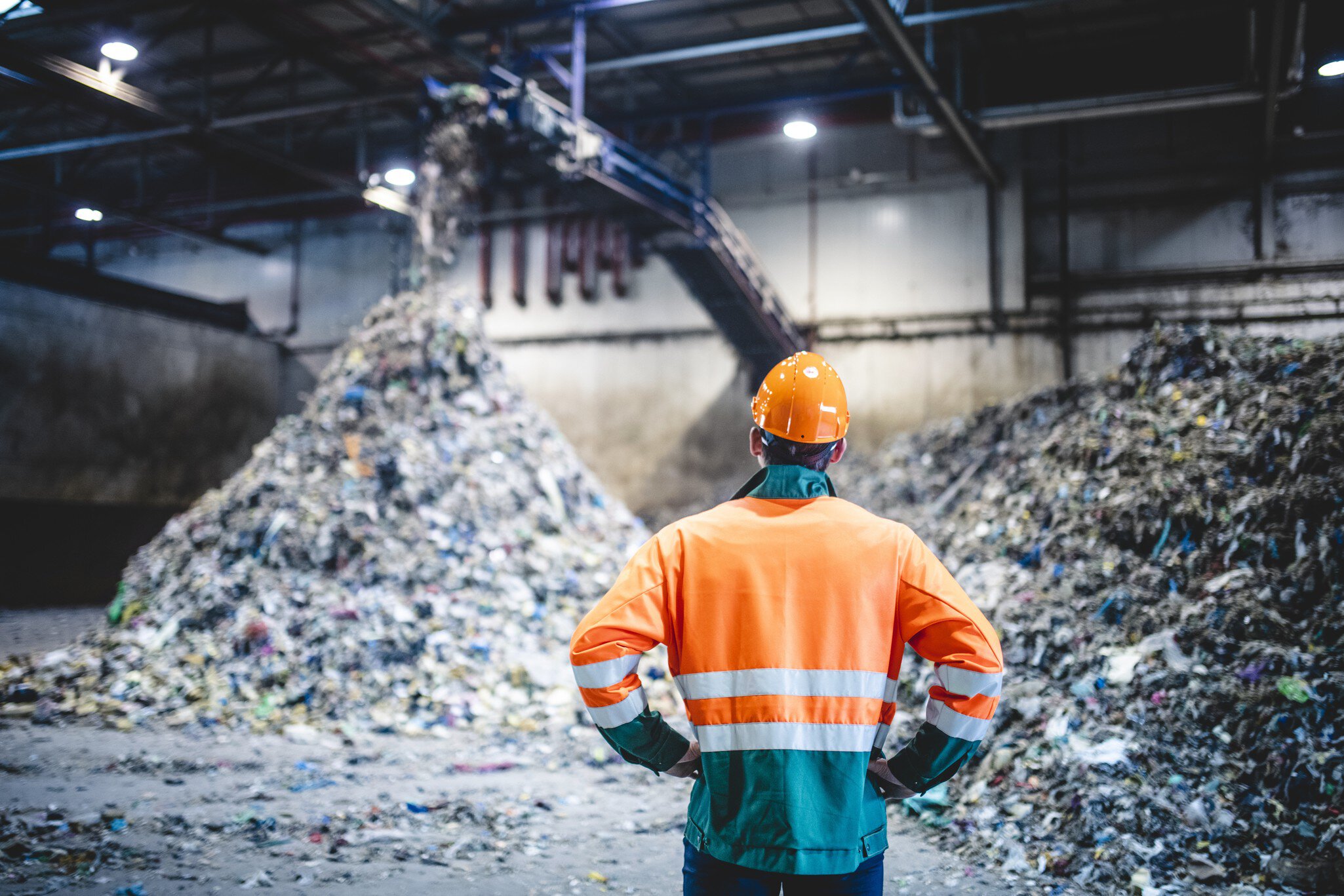
Energy-efficient components, alternative drive systems, repair-friendly equipment, and digital technologies help companies and municipalities reduce resource consumption. Automated processes and smart control systems optimize the use of energy and materials, lower operating costs, and support decarbonization.
Key Aspects:
From plastics and batteries to metals and mineral materials, modern recycling processes enable the recovery of high-quality secondary raw materials and their reuse in industrial production. Digital technologies, automated sorting, and innovative processing methods help close material loops, secure raw material supplies, and unlock new business opportunities.
Key Aspects:
Looking for an overview of presentations, discussions, and other professional events across industries? Explore the IFAT Munich event program.
Modern waste management systems rely on digital solutions, automated sorting, and low-emission vehicles. Smart route planning, separate storage of different types of waste, and IoT sensor technology make collection more efficient, ensure material quality, and improve traceability—for a sustainable circular economy.
Key Aspects:
The circular economy is opening up new sources of hydrogen—for example, from sewage sludge, biogenic residues, or non-recyclable waste. Aquatic biomass and renewable energies also play a role. Modern infrastructure and digital systems enable efficient planning, storage, and use—for example, for transportation, industrial processes, or the energy supply of buildings.
Key Aspects:
From heat recovery and biogas production to thermal treatment, energy recovery from waste and water streams unlocks additional energy sources and contributes to energy security. Air pollution control and carbon capture technologies offer ways to reduce the environmental impacts of these facilities.
Key Aspects:
Low-emission municipal vehicles, demand-based spreading systems, and innovative cleaning technologies enable efficient road operations and maintenance. Digital technologies support operational planning, helping reduce operating costs and resource consumption while improving road safety.
Key Aspects: